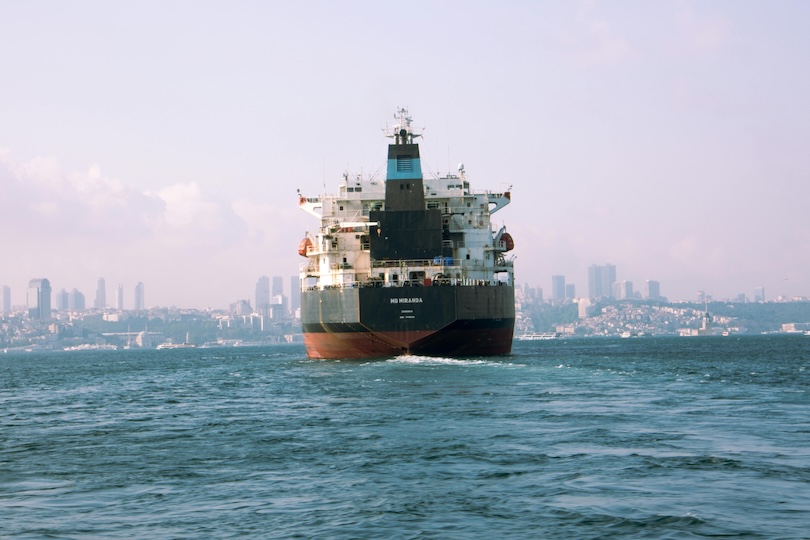
Overview of IMO 2025 Safety Regulations
In the 2024-2026 period IMO has adopted numerous safety-related amendments affecting SOLAS, MARPOL, STCW and other instruments. Key changes include stricter ship equipment and design standards (e.g. mandatory water-level detectors in cargo holds and improved mooring gear), updated fire and lifesaving provisions (LSA/FSS Code amendments), modernised navigation/communication requirements (GMDSS), and new human-factor/training mandates (e.g. anti-bullying courses). Shipowners must ensure their fleets comply by the effective dates.
In this article I summarised the main requirements, their implementation timelines and practical implications, with references to official IMO resolutions and guidance.
- Safety (SOLAS Chapter II-1/II-2): New SOLAS amendments (effective 1 Jan 2024) require water-level detectors in all new multi-hold cargo ships (non-bulk), harmonising them with bulk-carrier standards. All cargo ships must now meet enhanced mooring/towing equipment design, inspection and documentation requirements. Watertight integrity provisions (SOLAS II-1 Part B1/B2) were tightened for new build ships. In fire safety, the FSS Code was amended (Ch. 15 and Ch. 9) to improve inert-gas system safeguards and fire-detector fault isolation on Ro-Ro and vehicle decks. From 2026, SOLAS II-2 also mandates fuel oil safety declarations: oil fuel suppliers must certify fuel flashpoint (≥60°C) and record flashpoint on bunker delivery notes. These measures enhance ship survivability and fire protection.
- Lifesaving (SOLAS III/LSA Code): The lifeboat regulations have been eased and upgraded. Amendments effective Jan 2024 exclude free-fall lifeboats from the requirement to launch under headway for strength testing, reducing wear on hoisting gear. New draft LSA Code rules (under development) will require improved ventilation in totally-enclosed lifeboats (to control CO₂ levels) and updated launch-device test procedures. The LSA Code itself was updated (Jan 2025) with new evaluation forms for survival craft (e.g. self-righting tests and lifejacket reflectivity). Ship operators should ensure lifeboats, rafts and launch arrangements comply with the latest LSA Code provisions (and update drills to align with MSC guidance).
- Stability & Equipment: New carriage requirements are specified for certain ship types. Most notably, SOLAS V was amended to require electronic inclinometers on new container ships and bulk carriers ≥3,000 GT (for full GM stability monitoring). This is reflected in updated Safety Equipment Certificates from 2026 onward. Load-line rules were adjusted: watertight doors on cargo ships (SOLAS, LL Protocol, IGC Code) now have clarified requirements. Ships carrying LNG or LPG must follow the revised IGF/IGC Codes (2026) that allow new materials (e.g. high-manganese steel) under strict conditions. Overall, amendments address structural safety and new fuel technologies.
- Navigation & Communications: A major change is the Global Maritime Distress and Safety System (GMDSS) modernization (effective 1 Jan 2024). IMO MSC approved a suite of amendments to SOLAS Ch. II-IV-V that permit modern comms (satellite, AIS EPIRBs, etc.) and remove obsolete equipment requirements. Ships must eventually carry the updated GMDSS equipment per the new performance standards. In addition, from 1 Jan 2026 masters must report lost containers at sea under amended SOLAS V/31-32 and MARPOL protocols, improving navigational safety. (PSC will enforce the new SOLAS V information requirements.) Navigation practice also increasingly incorporates e-navigation tools and ECDIS updates (including updated routeing for offshore wind installations).
- Cybersecurity: Cyber risk management is now a mandatory part of ship safety management. Since 1 Jan 2021 IMO (MSC-FAL.1/Circ.3) requires companies to include cyber risk assessments in their ISM systems. National Administrations (e.g. Norway) emphasize that “as from 2021, cyber risk management is required to be incorporated into company safety management systems”. Owners should therefore review their ISM certificates and ensure cyber policies (access control, software updates, crew training) are in place. IMO’s Guidelines on Cyber Risk Management (MSC-FAL.1/Circ.3/Rev.3) remain the key reference. Flag States are auditing this during ISM verifications, so compliance is urgent.
- Human Factors: IMO’s “Human Element” programme continues to influence regulations. In particular, new STCW amendments entering in Jan 2026 mandate training on harassment, bullying and sexual assault as part of personal safety and social responsibility. This requires updating company training plans and ensuring instructors cover these topics (especially under the new A-VI/1-4 STCW table). Likewise, updated STCW-F rules (Jan 2026) set minimum competence for fishing vessel crew. Other human-factor issues (crew fatigue, watchkeeping, alcohol/drugs, “just culture”) are covered in IMO guidelines and flag circulars. Managers should address crew wellbeing and culture to meet these mandates, as well as incorporate IMO and ILO guidance on fatigue and labor standards.
- Training: Apart from harassment training, recent amendments refine mandatory training standards. Notable are high-voltage training for electro-technical officers, liquefied gas (IGF Code) training, and updated GMDSS courses under the new system. New Model Courses and IMO guidance (e.g. IMO 1044 “Operational Guidance on OSV training”) should be checked. Officers serving on specialized ships (e.g. offshore support, OSVs with freefall boats) may need type-specific certifications in the near future. Crew familiarisation on new equipment (e.g. water-level alarms, automatic mooring brakes) must be added to drill manuals.
- Surveys & Certification: Key amendments affect statutory surveys and certificates. For example, electronic inclinometers require an entry on the Cargo Ship Safety Equipment Certificate (SOLAS) and SEQ Certificate from 2026. The SOLAS Safety Equipment Certificate (Form B) was revised in late 2024 to harmonize GMDSS changes. The “Enhanced Programme of Inspections (ESP) Code” was amended (1 July 2024) to clarify ballast tank examination at annual surveys. Administrations will issue updated ORB (Oil Record Book) and Garbage Record Book formats (smaller ships must keep GRB from 1 May 2024). Owners should liaise with class/flags now to align periodic surveys with the new requirements and certificate formats.
- Timelines: The key implementation dates are summarised in the table below (and in the timeline above). In brief: the major SOLAS/LSA/FSS amendments took effect 1 Jan 2024 (with voluntary early adoption encouraged), followed by IMSBC Code changes on 1 Jan 2025. A Mediterranean Sulphur ECA came into force 1 May 2025. The next cluster of effective dates is 1 Jan 2026, when SOLAS fuel flashpoint rules, lost-container reporting, lifting/appliance design regulations (SOLAS II-1/3-13) and STCW harassment training all become mandatory. (Most other amendments were adopted by MSC 107–109 in 2023–24.) Contracting governments must implement these by the entry-into-force dates; port State control will inspect accordingly under SOLAS, STCW and MARPOL.
- Enforcement: Flag States are expected to incorporate these amendments into national law promptly. Ships should receive updated certificates (SMC, DOC, COE, etc.) reflecting the new rules once in force. Port State Control regimes (Paris/Tokyo MoUs, etc.) have issued guidelines to check compliance with the latest SOLAS/MARPOL amendments. Non-compliance (e.g. missing equipment or certificates) can lead to detentions or fines. Many flag administrations have already circulated circulars summarising these changes – owners should subscribe to relevant maritime authorities (e.g. Liberian Shipping, Bahamas, UK MCA, and Class societies like IACS). Regular internal audits of equipment and documents against the new requirements are strongly recommended.

IMO 2025 Safety Regulations – Practical Implications for Owners and HSE Teams
- Equipment & Ship Modification: Survey vessels for new hardware needs (e.g. install water-level sensors in cargo holds, electronic inclinometers on bulk carriers/containerships, additional life-raft canopies/ventilators). Ensure free-fall lifeboat hooks and winches are maintained per IMO test guidelines. Update fire and bilge pump alarms as per new SOLAS FSS standards. Check that mooring lines/fittings meet the new design and maintenance regime. If carrying oil fuel, obtain supplier declarations and confirm bunker flashpoints meet 60°C.
- Training & Documentation: Update SMS manuals and training matrices to include new mandatory training (anti-harassment, updated STCW modules, GMDSS system use). Revise muster and lifeboat drill procedures in line with SOLAS III changes (e.g. drills may use simulated free-fall test rather than actual launch at sea). Ensure crew (and for fishing vessels, crew under STCW-F) receive certificates in the new competencies. Verify that all certificates onboard (DOC, COE, SMC, etc.) reflect amended templates. HSE teams should organize competency checks for high-risk operations now covered by SOLAS II-1/3-13 (crane and winch operation).
- Compliance Management: Integrate the new requirements into the fleet’s compliance checklist. For example, by late 2025 ensure orders are placed for equipment to meet the Jan 2026 rules. Ship operators should plan a review of their fleet in Q4 2025 to ensure all crew and equipment comply before the 2026 deadlines. Quarterly safety meetings should include status updates on each item (e.g. “are we ready for harassment training by Q1 2026?”).
- Flag & Class Liaison: Consult with the vessel’s flag administration and class society early – many will issue guidance circulars. Attend industry seminars/webinars on SOLAS 2024–26 amendments. Flag audits (under the IMO Member State Audit Scheme) may now include checks of cyber security, fatigue management and new SOLAS provisions, so prepare updated documentation in advance.
- Emergency Plans & Insurance: Revise oil pollution and emergency preparedness plans in light of new ECA and fuel rules. Insurance underwriters (P&I clubs) may require proof of compliance (e.g. third-party fuel flashpoint certificates). HSE managers should brief crews on the rationale and safety benefits of the changes to encourage buy-in.
Compliance Checklist & Deadlines
- By end-2024: Implement all 1 Jan 2024 changes – verify equipment (GMDSS, water detectors, mooring gear, lifeboat launch devices) and update SMS. Complete any voluntary early adoptions (e.g. single-window digital reporting, ballast water record keeping).
- By end-2025: Prepare for 1 Jan 2026 rules – order/install necessary equipment (vessels >3,000 GT need inclinometers; all ships need compliant life-saving appliances, fire alarms, etc.). Conduct crew training on new STCW subjects (harassment, SOLAS procedures) by late 2025.
- By mid-2025: Comply with 1 May 2025 Sulphur ECA – ensure fuel systems and BDNs meet 0.10% limit.
- By surveying deadlines: Incorporate new SOLAS reg II-1/3-13 inspections of cranes/winches at next scheduled surveys (the IMO guidelines MSC.1/Circ.1662/3 provide details).
- Ongoing: Continuously review ISM for cyber risks (per MSC-FAL.1/Circ.3) and human factor issues. Monitor IMO circulars (MSC and FAL) for any later entries into force.

Next Steps and Resources
- Review IMO circulars and conventions: Consult the official IMO pages for the latest amendments. Key resolutions include MSC.482(103) (water detectors), MSC.520(106) (fuel flashpoint) and MSC.539(107) (IMSBC) – see “Amendments to IMO Instruments” on imo.org. Download relevant IMO circulars (MSC and MEPC) for detailed text.
- Flag State & Class society guidance: Check bulletins from your flag (e.g. LISCR, Bahamas, Panama etc.) and class (IACS members, ABS, DNV, Lloyd’s Register) for official interpretations. For example, IACS Unified Interpretations on LSA tests or the IR Class summary can be useful. Many class societies publish regulatory updates (e.g. UK P&I Club’s “Regulatory Update 2025”, DNV guidance, etc.).
- Training & procedures: Use IMO Model Course supplements and P&I Club training materials to implement new training requirements. The International Safety Guide (SIGTTO, OCIMF) for specific cargoes may incorporate 2025 rule changes. Maritime cyber and human element guides (IMO MSC-FAL.1/Circ.3 Rev.3 and WSO videos on harassment) should be integrated into SMS.
- Operational checklists: Develop a ship compliance checklist with these items and assign deadlines. Incorporate items into safety committee agendas and pre-SOE (Shipboard Operational Evaluation) inspections.
- Contact points: Liaise with your Flag Administration (SOLAS/Circ contact) and port State contacts for clarifications. IMO’s Circulation 2024 or ISM Code Annex lists safe manning and training qualifications. For training and certification queries, contact your Flag STCW certification authority.
- Online Resources: Official sources include the IMO document server (imo.org) and the ILO nautical portal for MLC updates. Relevant IMO links: Convention status pages, circulars on life-saving (MSC.1/Circ.1630 Rev.3), and press releases (e.g. IMO briefings). Many national marine safety agencies (USCG, MCA) also issue guidance on these amendments.
- Sources: Official IMO resolutions and circulars (linked above) are the primary references for the amendments. Additional details are drawn from flag-state and class society publications. Users should refer to IMO, Flag and IACS advisories and the updated SOLAS/MARPOL texts for authoritative requirements.
Are you looking for affiliate partnerships, marketing, professional collaboration, let’s get in touch and discuss. Leave your request on the contact form or contact us directly at [email protected].
As well if you are interested on getting a copy of the 2026 Edition – Guideline For Thorough Incidents Reporting and Investigation, SUBSCRIBE to HSE Smart Solutions and you will get it by email. First 100 subscriptions will get a free copy.
Comments
2 responses to “IMO 2025 Safety Regulations: Key Points”
Backbiome is an advanced daily wellness supplement formulated to help support spinal comfort, reduce feelings of built-up tension, and promote freer, smoother movement throughout everyday life.
GL Pro is a natural dietary supplement formulated to help maintain steady, healthy blood sugar levels while easing persistent sugar cravings.