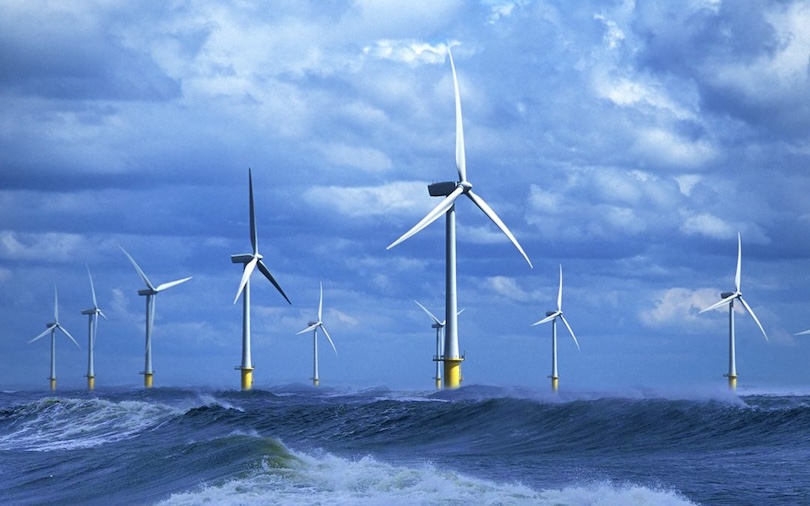
I personally never worked in the offshore renewables energy, however many of you are doing this and as well many other are looking into it, as start of a career or a change of it.
In the offshore renewables energy, across all the seas and oceans, offshore wind farms stand as beacons of sustainable progress of our days. Operating in the dynamic and challenging offshore environment requires specialised skills and safety measures to ensure smooth operations and protect workers’ health, safety and well-being.
In this sense Global Wind Organisation (GWO) training comes into play, serving as a cornerstone in the development of a skilled and safe workforce for the offshore renewable energy industry.
Understanding GWO Training for Offshore Renewables
Global Wind Organisation, commonly referred to as GWO, is a non-profit body that sets the standards for safety training and certification in the offshore renewables and wind energy sector, same as OPITO is. Established by leading wind turbine manufacturers and operators, GWO aims to harmonise safety training across the industry, ensuring that workers possess the necessary skills and knowledge to perform their duties safely and efficiently.
GWO training encompasses a range of modules designed to address the specific hazards and challenges encountered in the wind energy sector, with a focus on offshore renewables used installations. These modules cover essential aspects such as:
- working at heights
- manual handling
- fire awareness
- first aid
- sea survival
By completing GWO-certified training courses, offshore personnel acquires the competencies required to work in various roles within the offshore renewables industry, including installation, maintenance, and operation of wind turbines.

Requirements for GWO Training
Participating in GWO training courses typically requires individuals to meet certain prerequisites to ensure they can effectively engage with the material and perform the necessary tasks safely. While specific requirements may vary depending on the training provider and the module being undertaken, common prerequisites in the offshore renewables include:
Physical Fitness: Working in the offshore environment demands a certain level of physical fitness to handle the rigours of the job, including tasks such as climbing turbines and carrying equipment.
Language Proficiency: As GWO training involves both theoretical instruction and practical exercises, participants are often required to have a sufficient understanding of the language in which the course is conducted to comprehend instructions and communicate effectively with instructors and fellow trainees.
Medical Assessment: Given the potentially hazardous nature of offshore work, individuals must undergo a medical assessment to ensure they are fit to participate in GWO training and work in the offshore environment safely.
Basic Safety Training: Some GWO modules may have prerequisites, requiring participants to complete basic safety training before undertaking more specialised courses.

Syllabus and Scope of GWO Training
GWO training covers a wide range of topics essential for working safely and effectively in the offshore renewables industry. Let’s explore some of the key modules and their significance:
Working at Heights: Working at heights is an inherent aspect of offshore wind turbine maintenance and installation. This module equips participants with the skills and knowledge to perform tasks safely while working at elevated locations, including proper harness usage, fall prevention, and rescue techniques. Working at height it is the most important aspect of this training, it is essential to have sufficient knowledge and to know the role of each of the equipment used for working at heights. The outcome of not being well trained might lead to serious injuries and even fatalities.
Manual Handling: Manual handling tasks, such as lifting and carrying heavy equipment and components, are common in offshore wind operations. This module focuses on techniques for minimizing the risk of injury and strain associated with manual handling activities. Even-though underrated, manual handling is very important across all industries. Back muscle disorder it is a painful and long lasting injury which can be easily prevented.
Fire Awareness: In the event of a fire onboard a wind turbine or support structure, swift and effective response is crucial to minimising damage and ensuring the safety of personnel. This module covers fire detection, prevention, and response procedures tailored to the offshore environment. Essential information is provided here, what to do when you see a fire, classification of it, how to intervene, what type of fire extinguisher is used for each category, etc.
First Aid: Accidents and injuries can occur in any workplace, including offshore wind farms. First aid training provides participants with the skills to administer immediate assistance and potentially save lives in emergency situations until professional medical help arrives. Each person onboard of the vessel/ plant/ renewable energy unit, should have basic knowledge in regards to first-aid and how to intervene.
Sea Survival: Offshore wind farm personnel must be prepared to deal with emergencies such as vessel capsizing or evacuation due to adverse weather conditions. Sea survival training teaches essential techniques for surviving in the water and deploying life-saving equipment.
Same as for BOSIET, this will give you the knowledge how to survive at sea until the arrival of emergency rescue teams.
By completing GWO-certified training courses, individuals not only enhance their employability within the offshore renewables industry but also contribute to a culture of safety and professionalism that underpins sustainable growth and development in the sector.
GWO training same as BOSIET for oil and gas industry, plays a vital role in ensuring the safety and efficiency of offshore wind farm operations. By setting standardised safety training and certification requirements, GWO helps to mitigate risks and enhance the capabilities of the workforce, ultimately supporting the continued expansion of offshore renewable energy and the transition to a more sustainable future.
To complete the GWO training will take about 4 days and the certificate will last for 2 years, period after which must be renewed. The total costs of the training are around 1500 Euro, excluding transportation, hotel and meals if you are traveling a training center out of your location.
If this is a good investment, depends on your future career plans and when you decide to make the step into the realm of the offshore renewables.
If you are interested to know more about the safety aspects of the offshore renewables industry follow as well this link to a very interesting article about the main hazards of the wind farms.
Just as a last info, I did my BOSIET training at Sea Survival School in Tuzla/ Romania, there is a very professional team which will guide you through the entire process for successfully completing the offshore related trainings.
Are you looking for affiliate partnerships, marketing, professional collaboration, let’s get in touch and discuss. Leave your request on the contact form or contact us directly at [email protected].
Leave a Reply