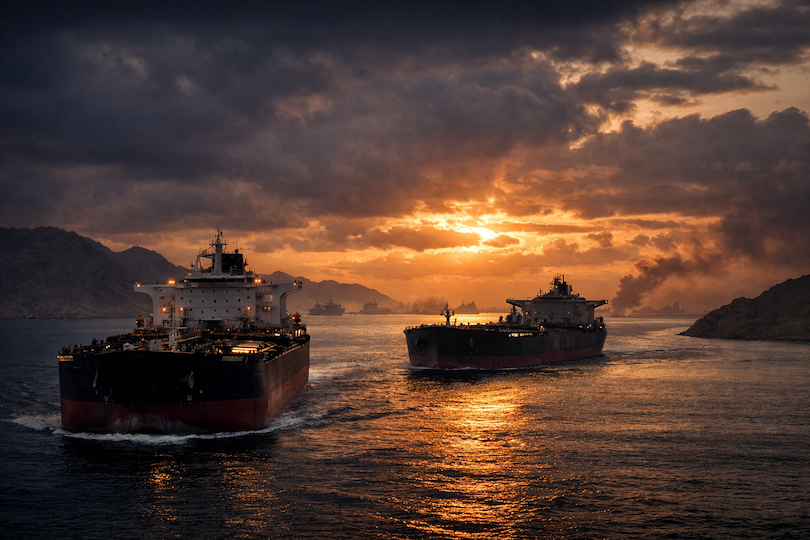
Oil price impact on Middle East Conflict – What Happens Next, Who Wins, Who Pays the Price
Why Oil Prices React Instantly to War Headlines
Oil is not just a commodity-it is a fear-driven market.
As for now military conflict erupts involving Iran, Israel, and the United States, prices move before supply is actually affected.
Markets are not asking:
“Is oil disrupted today?”
They are asking:
“What is the probability oil will be disrupted tomorrow?”
That single question is enough to push prices sharply higher.
The Strait of Hormuz: The World’s Most Dangerous Energy Chokepoint
At the center of global concern is the Strait of Hormuz.
- Roughly 20% of the world’s daily oil supply passes through it
- Any military tension nearby instantly increases insurance and freight costs
- Even a temporary threat creates a global ripple effect
For oil markets, Hormuz is not a location-it is a price trigger.

Short-Term Oil Price Impact (Hours to Weeks)
1. The “War Risk Premium” Appears Immediately
In the short term, oil prices rise due to:
- Fear of escalation
- Speculative buying
- Emergency hedging by airlines and refiners
This premium alone can add $5-$15 per barrel, even if no oil is lost.
2. Shipping Becomes the Hidden Price Driver
Oil still flows-but at a higher cost:
- Tanker insurance premiums surge
- Some vessels avoid the region
- Freight rates rise sharply
These costs are passed directly into crude prices and fuel prices worldwide.
3. Volatility Keeps Prices Elevated
Discover audiences engage strongly with volatility-driven stories because:
- Prices swing daily
- Headlines evolve hourly
- Uncertainty fuels repeat clicks
Volatility itself becomes a bullish force for oil.
Long-Term Oil Price Scenarios (Months to Years)
Scenario 1: Conflict Stabilizes, Risk Remains
Even if fighting slows:
- Oil prices rarely return to previous lows
- A permanent geopolitical premium remains
- Any new incident sparks instant spikes
Markets remember risk longer than they remember peace.
Scenario 2: Prolonged Conflict or Regional Spillover
If tensions persist:
- Oil stays structurally expensive
- Inflation pressure spreads globally
- Central banks face policy dilemmas
- Economic growth slows, especially in oil-importing nations
High oil prices quietly tax every economy.
Scenario 3: Major Supply Disruption (Worst Case)
If exports are interrupted:
- Oil prices can surge dramatically
- Governments release strategic reserves
- Fuel prices spike at the pump
- Recession risk increases globally
This is the scenario oil markets price in advance.
Who Benefits When Oil Prices Rise?
Oil Exporters Outside the Conflict Zone
Countries like the U.S., Canada, and Norway benefit from:
- Higher export revenues
- Stronger currencies
- Improved trade balances
They profit without absorbing regional risk.
Energy Companies and Oil Producers
Higher prices lead to:
- Stronger cash flows
- Higher dividends
- Increased investment
Energy stocks often outperform during geopolitical crises.
Core Members of OPEC+
If exports continue safely:
- Higher prices outweigh volume adjustments
- Government revenues rise quickly
Who Pays the Price?
Oil-Importing Countries
- Rising inflation
- Currency pressure
- Slower economic growth
Asia and parts of Europe are most exposed.
Consumers Everywhere
Higher oil prices mean:
- More expensive fuel
- Higher food and transport costs
- Increased cost of living
Oil shocks reach households faster than expected.
Airlines, Logistics, and Manufacturing
- Fuel costs surge
- Margins shrink
- Ticket prices and freight costs rise
Emerging Markets
Often hit hardest through:
- Capital outflows
- Currency depreciation
- Debt stress
Oil prices do not wait for damage-they price fear first.
- Short term: volatility and risk premiums dominate
- Medium term: elevated prices become the norm
- Long term: high oil accelerates energy transition and policy change
In any U.S.-Israel-Iran escalation, oil remains the fastest-moving and most revealing economic indicator of global stress.
Tell me your opinion, what do you think, how this war is influencing the oil price on the market?
Leave a Reply